 Taylor Simmons
The landscape of software development is shifting. Over the last 12 months, a new term has taken the tech world by storm: Vibe Coding. But is it just a buzzword, or a fundamental shift in how we build digital products?
At Fyresite, we’ve integrated these workflows into our process, and the results are transformative. Here is everything you need to know about vibe coding and the tools making it possible.
What is Vibe Coding?
Despite the futuristic name, Vibe Coding is a practical evolution of AI-assisted development.
Google defines Vibe Coding as an emerging practice that uses artificial intelligence (AI) to generate functional code from natural language prompts. Essentially, if you can describe it, AI can build it.
The term was coined by Andrej Karpathy (founding member of OpenAI and former Director of AI at Tesla). He noted that this workflow allows creators to focus on the “vibe” – the aesthetic, the logic, and the user experience – while delegating coding to the machine.
The Vibe Coding Workflow
The general vibe coding workflow looks like this:
- Idea Prompt
- AI Generation
- Iteration
- Adjust the prompt until getting desired output
- Testing
- Make sure all features work as intended and desired
- Deployment
Replit: Our Favorite Vibe Coding Platform
To Vibe Code effectively, you need an environment that speaks the same language as the AI. For our team at Fyresite, Replit is that platform.Founded in 2016, Replit has moved to the front lines of the AI revolution. It’s a cloud-based IDE (Integrated Development Environment) that allows developers to build, test, and deploy apps entirely in a browser or mobile app.
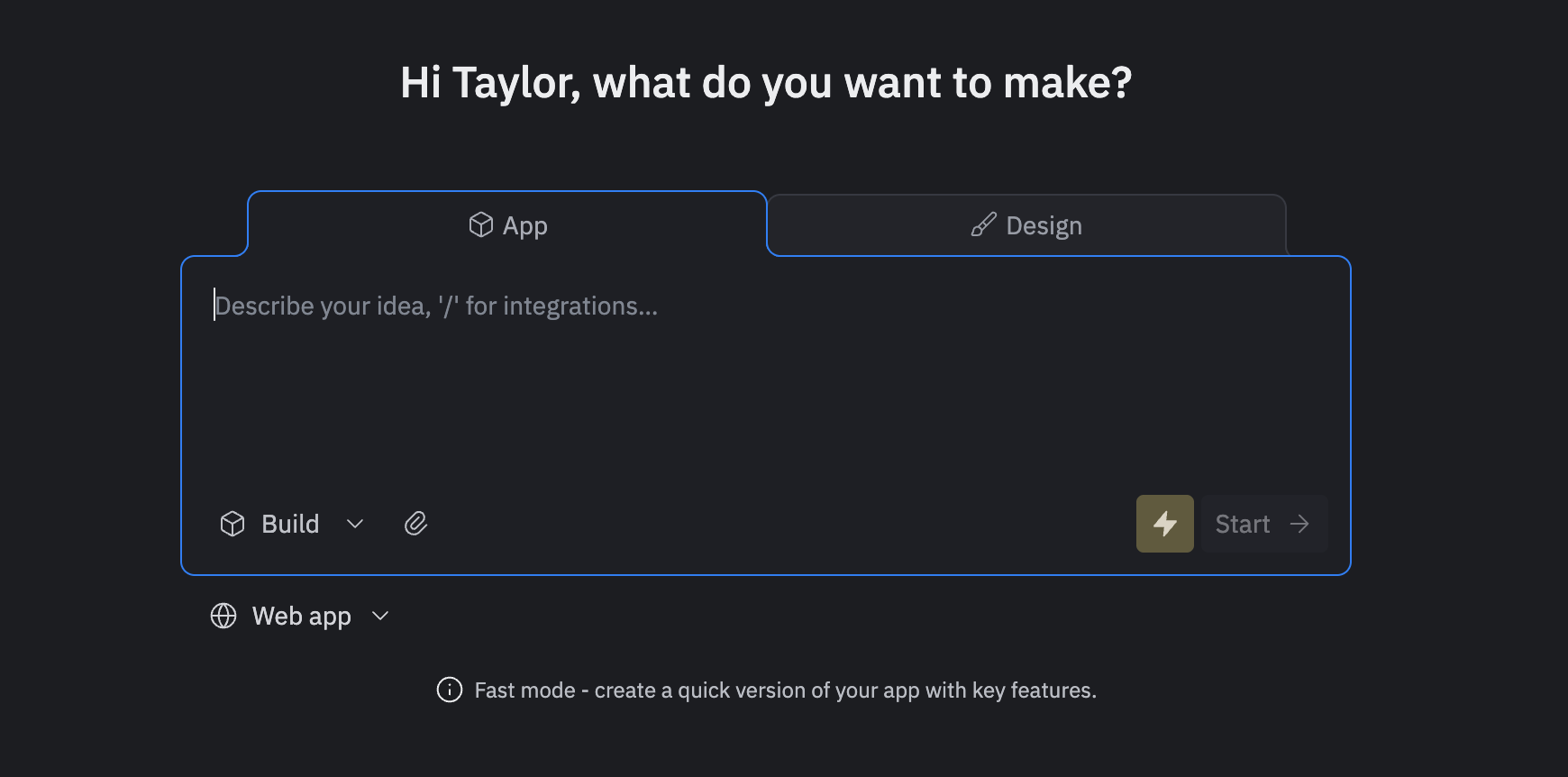
Design Mode V Build Mode
Replit has 2 modes for vibe coding: design mode and build mode. While they are built to work together, you can choose between the two. Replit has suggested guidelines for when you should use one or the other (or both).
| Feature | 🎨 Design Mode (Front End) | 🛠️ Build Mode (Back End) |
|---|---|---|
| Focus | Visuals, UI, and Layout | Logic, Data, and Security |
| Best For | Landing pages, rapid mockups | User accounts, databases, APIs |
| Limitation | No persistent data storage | Requires more technical logic |
| The “Vibe” | Does it look right? | Does it work right? |
How We Use It at Fyresite
We don’t just use Replit for the sake of using new tech; we use it to provide better, faster results for our clients. By utilizing Replit and vibe coding, we can:
- Streamline Prototyping
- Show Clients a Functional ‘Vibe’ Before Coding
- Collaborate in Real-Time:
- Much like Google Docs, we can work with our clients inside the code in real-time.
The Verdict: Is Vibe Coding Enough?
Vibe coding is a superpower, but it has its limits. While AI can handle the “how,” it still struggles with the “why.” Complex architecture, deep security audits, and bespoke integrations still require a human expert at the helm.
Ready to see what Vibe Coding can do for your business? At Fyresite, we combine cutting-edge AI workflows with 16 years of development expertise to build apps that don’t just “vibe”; they perform.