 Taylor Simmons
Migrating to Shopify is a lot like when you move houses.
It starts with the disappointment and frustration of where you are now. Little inconveniences are turning into major problems, and you can’t ignore them any longer. You make the decision to leave.
Now that you’re leaving, you have to choose where to go next. And if you’re reading this, you’ve chosen Shopify.
But choosing your new platform is only the beginning. Once you’ve made that choice, and chosen a partner (like top Shopify Plus Agency Fyresite!), you’ll go through the scoping and discovering phase. Here’s what it looks like.
What is a Scope?
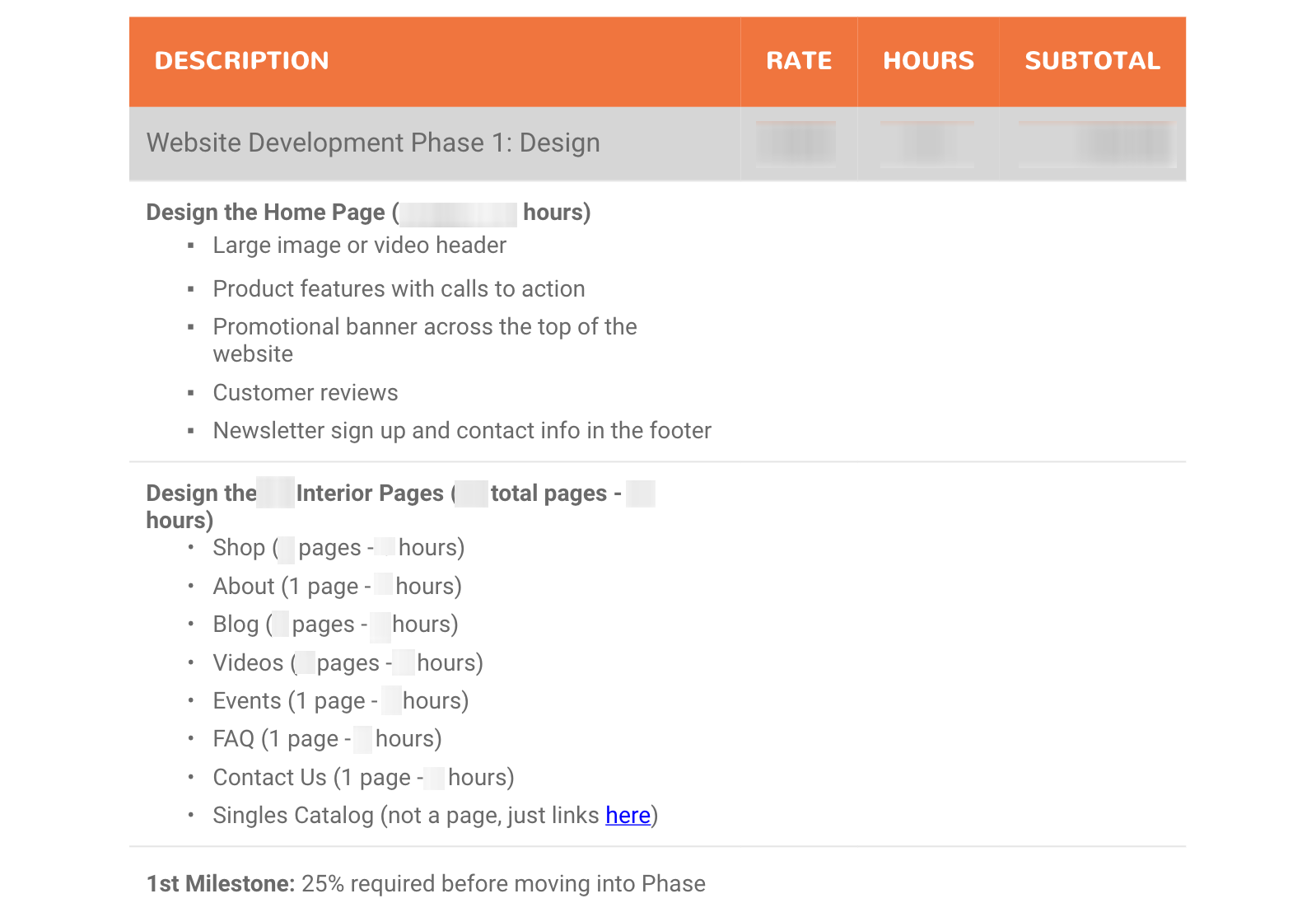
A scope is the guidelines of a project. It includes a detailed timeline, breakdown of what will and will not happen during the project, project milestones, and costs.
More than just an explanation and breakdown of the project, the project scope is a contract between the client (you) and the agency (Fyresite). That’s why if you want something that is not in the scope, it requires a change order.
A change order is an addendum to the scope to add or change the original scope. Using change orders helps avoid scope creep.
What is Discovery?
Discovery is the phase after scoping. During the discovery phase, Fyresite uses the scope to create an action plan for completing the project. We look at what the project will entail researching what has to be done to complete that step.
The scope is that ‘what’ of the project, and the discovery is the ‘how’.
Common Discovery Aspects
While the specifics of the discovery will vary on a case by case basis, all clients can expect these aspects.
- Quantifying the data that will be migrated
- Data Models & Configuration (Products, Collections, Customers, etc.)
- What historical data do you want to bring with you to your Shopify store?
- Identifying what features and integrations are included in Shopify and what will have to be custom built
- If there are custom features, determining the integration method
- Conducting platform-specific discovery to identify issues for migration
- Every platform is different, so migrating away from every platform comes with unique challenges
- Communicating with the client (you) about any challenges and recommendations for dealing with these challenges
- Specifics and features of
- Inventory and fulfillment
- Tax requirements
- Payment Process
- Sales Channels
- Analytics tracking
- Design and branding
- ERP configuration
- Forms
- Products and collections
- Cart and checkout
- Order and fulfillment
Is This Really Necessary?
When you reach your breaking point with your old platform, you want to get started ASAP. But scoping and discovery are both essential parts of the migration process. They allow us to provide a clear timeline and understanding of expectations from both sides.
Scope and discovery not only help define roles and responsibilities, but allow us to uncover any surprises that might pose a problem down the road. Finding an issue and solution in the discovery stage is much more affordable than if you skip discovery and it’s found during design, development, or migration.
Ready to Make the Leap?
Ready for a better platform? Schedule your free 15 minute consultation with our team today!